
Journal · Tint · 6 min read
Anti-graffiti film: protecting commercial glass in inner Melbourne
How a thin sacrificial layer saves the cost of replacing tagged shopfronts.
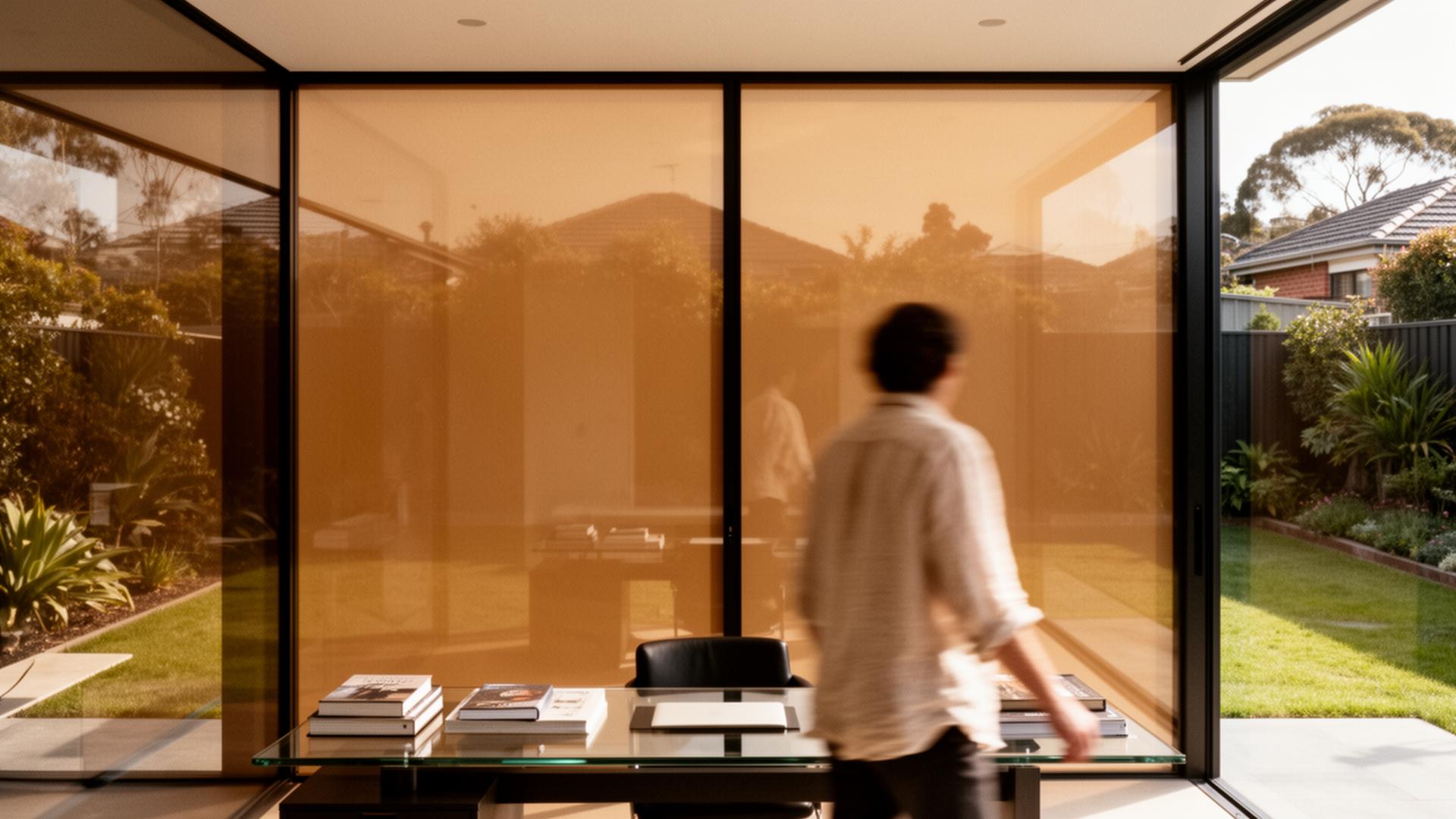
Anti-graffiti film is a clear sacrificial layer applied to commercial glass that takes the damage instead of the glass underneath. When a shopfront in inner Melbourne is tagged, etched or scratched, the film is peeled off and a new one fitted in a few hours. The cost of the replacement film is a fraction of the cost of replacing a plate-glass shopfront, and the original glass remains undamaged. For most retailers in Footscray, Yarraville, Newport, Spotswood and Williamstown, the film pays back the first time it is used.
Key takeaways
- Clear, optically invisible from the street.
- Replaces in a few hours after damage; glass underneath is unchanged.
- Cost per replacement is a fraction of the cost of replacing plate glass.
- Standard install is after-hours, with no business interruption.
- Manufacturer warranties run 5 to 10 years on the install; the film replaces as needed.
- Often pays back on the first incident, especially with insurance excesses factored in.
Why inner Melbourne shopfronts get hit
Footscray, Yarraville, Newport, Spotswood and parts of Williamstown all have a baseline of opportunistic tagging. Shopfront glass at street level is the easiest target: it is visible, large, and unprotected on most retail frontages. The damage modes are:
- Spray paint tags: removable from glass with solvent but time-consuming.
- Marker pen tags: removable but often leaves shadow.
- Acid etching: permanent damage to the glass surface. Requires replacement.
- Scratch tagging (key or rock): permanent damage. Requires replacement.
The spray and marker damage is annoying. The etching and scratching is expensive. A 3m by 2.5m plate glass shopfront panel costs thousands to replace once you factor in removal, supply, refit and disposal. If the glass is structural or part of a heritage frontage, the cost is significantly higher.
How the film actually works
Anti-graffiti film is typically a 4 mil (100 micron) clear polyester film with a hard scratch-resistant surface coating. It bonds to the inside of the glass with a clear adhesive. From the street, the film is essentially invisible; the glass appears unchanged.
When the film is tagged or damaged, the damage is in the film, not the glass. The film is peeled off (heat applied to soften the adhesive), residue cleaned, and a fresh film fitted. Total time per panel is typically two to three hours.
The glass surface underneath is undamaged. The same glass takes a new film, and the cycle continues. A typical shopfront might cycle through three or four films over the life of the original glass.
Inside-fit vs outside-fit
Most anti-graffiti film is fitted to the inside surface of the glass. This is the cleaner install (no weather exposure during fitting), the film is protected from the elements once installed, and access is easier from inside the shop.
In some cases the damage profile justifies an outside-fit film. Outside-fit suits glass where the tagging is on the exterior surface and the threat is etching or scratching from the street. Outside film weathers faster than inside film and typically replaces every two to three years even without damage.
For most Melbourne shopfronts, inside-fit is the right choice.
The cost case
The rough numbers for a typical inner-Melbourne shopfront with a 20 sqm frontage:
- Initial install of anti-graffiti film: low four-figure number, typically a few hundred dollars per sqm depending on access.
- Replacement after a tagging incident: similar order, often slightly less because the glass is already prepped.
- Replacing tagged plate glass: five-figure number once removal, supply, glazier labour and disposal are added.
- Insurance glass-cover excess on most commercial policies: four-figure number per claim.
If the shop has been tagged once in two years, the film cycle is cheaper than the glass cycle even before insurance excesses are counted. With excesses factored in, the film usually wins on the first incident.
For the broader commercial film context, see commercial window tinting in Melbourne.
Install logistics
We install anti-graffiti film after hours where possible. Most jobs run from close-of-business through late evening, with the shop ready to trade the next morning. A 20 sqm shopfront is typically a single evening with one or two installers.
The install requires access to the inside of the glass, which means clearing display fixtures within 600mm of the glass. Most retailers prefer to do this themselves rather than have us move stock. We give a clear scope and access list before the install date.
Pairing with other commercial film
Anti-graffiti film is often combined with:
- Solar film: in offices and retail spaces with western glass that overheats. The two films are different products and do not stack on the same pane; one or the other is chosen per panel.
- Safety film: where AS/NZS 2208 compliance is required. Some products combine both functions in one film, certified for both anti-graffiti and safety performance.
- Decorative film: where partial frosting is also wanted. The decorative film acts as a sacrificial layer for both purposes.
For the safety film conversation, see safety and security film for ground-floor homes.
Common questions
Will the film discolour or yellow over time?
Quality anti-graffiti film from reputable manufacturers holds clarity for the full warranty period (5 to 10 years). Cheap films can yellow within two to three years on west-facing glass. Specifying a quality product is the difference.
Can the film be applied to curved or shaped glass?
For curved glass, application is possible but specialised. Pieced film with seams may be required on tight curves. We assess on the measure.
Does the film stop break-ins?
No, anti-graffiti film is thin and not security-rated. For break-in resistance, safety/security film (4 mil and thicker, certified to AS/NZS 2208) is the right product. The two can be specified together if both are required.
What about heritage frontages?
Anti-graffiti film is invisible from the street and does not visibly alter the heritage character of the glass. It is generally accepted in heritage overlays. Confirm with the local council if specifying for a heritage-listed frontage.
How quickly can you replace film after a tagging incident?
We aim for next-business-day replacement on existing customers. The film is held in stock for known frontages, so the lead time is install scheduling rather than supply.
For inner-Melbourne retailers and commercial property managers, a free site visit walks through which frontages would benefit from film and which can stay unprotected. Call Dany on 0468 032 236 or browse commercial tinting.
Read next
Related service
Window Tinting →Frost tinting, one-way mirror film, solar heat reduction, decorative and safety film installed across Melbourne